Low-Sodium Eating Made Easy: Everyday Food Swaps With PB2
If you've ever been told to "watch your sodium intake," you're not alone. For heart health, blood pressure management, or general wellness, reducing sodium has become a common dietary goal. But one challenge that trips up most people is that sodium can be super sneaky! Sodium likes to hide in places you'd never expect, making it surprisingly difficult to cut back without feeling like you're sacrificing flavor or convenience.
We asked Amanda Holtzer, Registered Dietitian and PB2 Foods partner, to break down the sodium dilemma and share practical strategies for reducing intake that also won’t result in bland, boring meals. Her insights might change how you look at everyday foods—and show you why PB2 is with you every step of the way in your low-sodium journey.
The Hidden Sodium Challenge
"One of the biggest challenges I've noticed is not understanding just how much sodium is present in so many common foods that we eat—even though they may not necessarily taste salty," Amanda explains. This lack of awareness is what makes sodium reduction so tricky. You might think you're making healthy choices, but those choices could be loaded with sodium you never saw coming.
The reality is that in our food system, sodium is one of the most popular ingredients. It's used both as a flavor enhancer and a preservative, which means it shows up in virtually everything—from the obvious culprits like chips and deli meat to seemingly wholesome foods that might appear sodium-free at first glance.
Amanda shares some eye-opening examples that illustrate just how sneaky sodium can be:
- 1 slice of whole wheat sandwich bread – a seemingly wholesome, heart-healthy food, but can contain upwards of 240mg of sodium per slice. Make a sandwich with two slices and you're already at nearly 500mg before you've added any fillings.
- 1 cup of cottage cheese – often recommended as a high-protein snack—cottage cheese can have around 800mg of sodium. That's a third of the daily recommended limit in a single serving of what many consider a "clean" food.
- 2oz of deli turkey – a lunch staple for people trying to eat healthier, but it can still contain up to 600mg of sodium. Layer that onto your bread with some cheese and condiments, and your "light" lunch is suddenly a sodium bomb.
It’s easy to note that these aren't junk foods or obvious sources of salt. They are simply the everyday ingredients that people reach for when they're trying to eat well. That's what makes sodium reduction so frustrating—you can't always taste it, and it's not always where you expect it to be.
So, What Are the Sodium Recommendations Anyway?
The Dietary Guidelines for Americans suggest limiting sodium intake to less than 2,300mg per day for most adults. For people with high blood pressure, heart disease, or other health conditions, doctors often recommend even lower targets—sometimes around 1,500mg daily.
To put those numbers in perspective, that cottage cheese example Amanda mentioned? A single cup consumes more than a third of your daily sodium budget if you're aiming for 2,300mg, and more than half if you're targeting 1,500mg. Suddenly, that seemingly innocent snack becomes a significant portion of your daily allowance!
The math gets even trickier when you consider that most Americans consume far more than the recommended amount—often exceeding 3,400mg daily without realizing it. Those hidden sources can add up quickly across breakfast, lunch, dinner, and regular snacks — and this really matters for your health. Excessive sodium intake is linked to high blood pressure, which increases the risk of heart disease and stroke—two of the leading causes of death in the United States.
By keeping sodium intake in check, you're supporting cardiovascular health, reducing fluid retention, and potentially even improving kidney function! But thankfully, you don't have to tackle sodium reduction overnight. Small, regular changes can pave the way for significant improvements over time.
Getting Started with Small Swaps
This is where PB2 becomes particularly valuable. A 2-tablespoon serving of PB2 Original or PB2 Organic contains just 90mg of sodium and a 2-tablespoon serving of PB2 Pure contains ZERO mgs of sodium—significantly less than many comparable products people use regularly.
For example in traditional peanut butter, a 2-tablespoon serving contains about 150mg of sodium. So, by switching to PB2, you're cutting down on your sodium intake substantially— all while still enjoying that classic peanut butter flavor.
These differences might seem small in isolation, but they add up quickly across multiple meals and snacks throughout the day, resulting in a potential savings of hundreds of milligrams weekly. Think about it this way—when you're trying to stay under 2,300mg daily, every 60mg you save gives you more flexibility to incorporate other foods you enjoy.
Here are some key Amanda-approved strategies to become more aware of your sodium intake and start focusing on those smart swaps:
Read Labels Regularly
The nutrition facts label is your best friend when reducing sodium. Get in the habit of checking sodium content even on foods you wouldn't expect to be high. That whole wheat bread, that seemingly innocent canned soup, that "healthy" frozen meal—they all deserve a second look. Compare brands too, as sodium content can vary significantly for the same type of product.
Focus on Whole Foods
The more you can build meals around whole, unprocessed ingredients, the better. Fresh vegetables, fruits, whole grains, lean proteins, and legumes naturally contain minimal sodium. When you start with these foundations, you have much more control over how much sodium is a part of your diet.
Make Your Own Sauces and Dressings
This is one of Amanda's favorite strategies, and for good reason. Store-bought salad dressings, sauces, and condiments are regularly sodium landmines. "Salad dressings can often pack a lot of sodium, because they are often seasoned with salt or high-sodium seasoning blends," Amanda notes. By making your own, you control exactly what goes in. PB2 works beautifully in homemade dressings like our Crunchy Asian Peanut Butter Dressing and sauces like the one in this Crunchy Veggie Pasta Salad with Citrusy Peanut Butter Sauce recipe, providing richness and flavor without adding excessive sodium. Amanda specifically recommends using low-sodium soy sauce when recipes call for it, which further reduces the sodium load.
Be Strategic About Convenience Foods
We all rely on some convenience foods—in this day and age—that's reality. The key is choosing wisely. When you do buy packaged items, look for "low sodium" or "no salt added" versions. Even better, find favorites that offer lower-sodium staples, and then ask for the sauce or dressing on the side. You can replace those heaving dressings with a PB2 Pure or Original option that is flavorful, easy to make, and naturally lower in sodium, so you don't have to compromise on taste or convenience.
Season Creatively
Reducing sodium doesn't mean accepting bland food. Experiment with herbs, spices, citrus juice, vinegar, and garlic to add flavor without salt. PB2 itself acts as a flavor enhancer in many dishes, providing depth and richness that makes foods more satisfying without requiring additional salt.
Creating a Sustainable Low-Sodium Lifestyle
The biggest mistake people make when trying to reduce sodium is approaching it as an all-or-nothing endeavor. They try to eliminate salt completely, get frustrated by bland food, and eventually abandon their efforts entirely. Amanda's approach is different—it's about sustainable swaps that maintain flavor and satisfaction while gradually lowering your overall sodium intake over time.
You're not giving up the foods you love; you're finding smarter versions of them, like PB2! You're not sentencing yourself to tasteless meals; you're discovering new ways to build flavor. And you're not following a restrictive diet; you're making informed choices that support your health goals without sacrificing enjoyment.
To take that first step in reducing sodium in a way that actually sticks, give this manageable action plan a try:
- Start tracking – Spend a few days writing down what you eat and checking the sodium content. You might be surprised by where the bulk of your sodium comes from.
- Identify your biggest sources – Once you know where your sodium is coming from, you can prioritize which swaps will make the biggest impact.
- Make strategic substitutions – Replace high-sodium items with lower-sodium alternatives. Swap traditional peanut butter for PB2 Original. Choose low-sodium soy sauce. Look for no-salt-added canned goods.
- Cook more at home – Restaurant meals and takeout typically contain far more sodium than home-cooked food. Even simple home cooking gives you control over sodium levels.
- Experiment with flavor – Try new herbs, spices, and ingredients like PB2 Pure that deliver taste without relying on salt.
Every milligram you reduce brings you closer to supporting your cardiovascular health, managing blood pressure, and feeling your best. To further demonstrate just how easy (and tasty) these smart swaps can be—we've compiled a collection of incredible, low-sodium recipes that prove reducing sodium doesn't mean sacrificing flavor. Check out the complete roundup below!
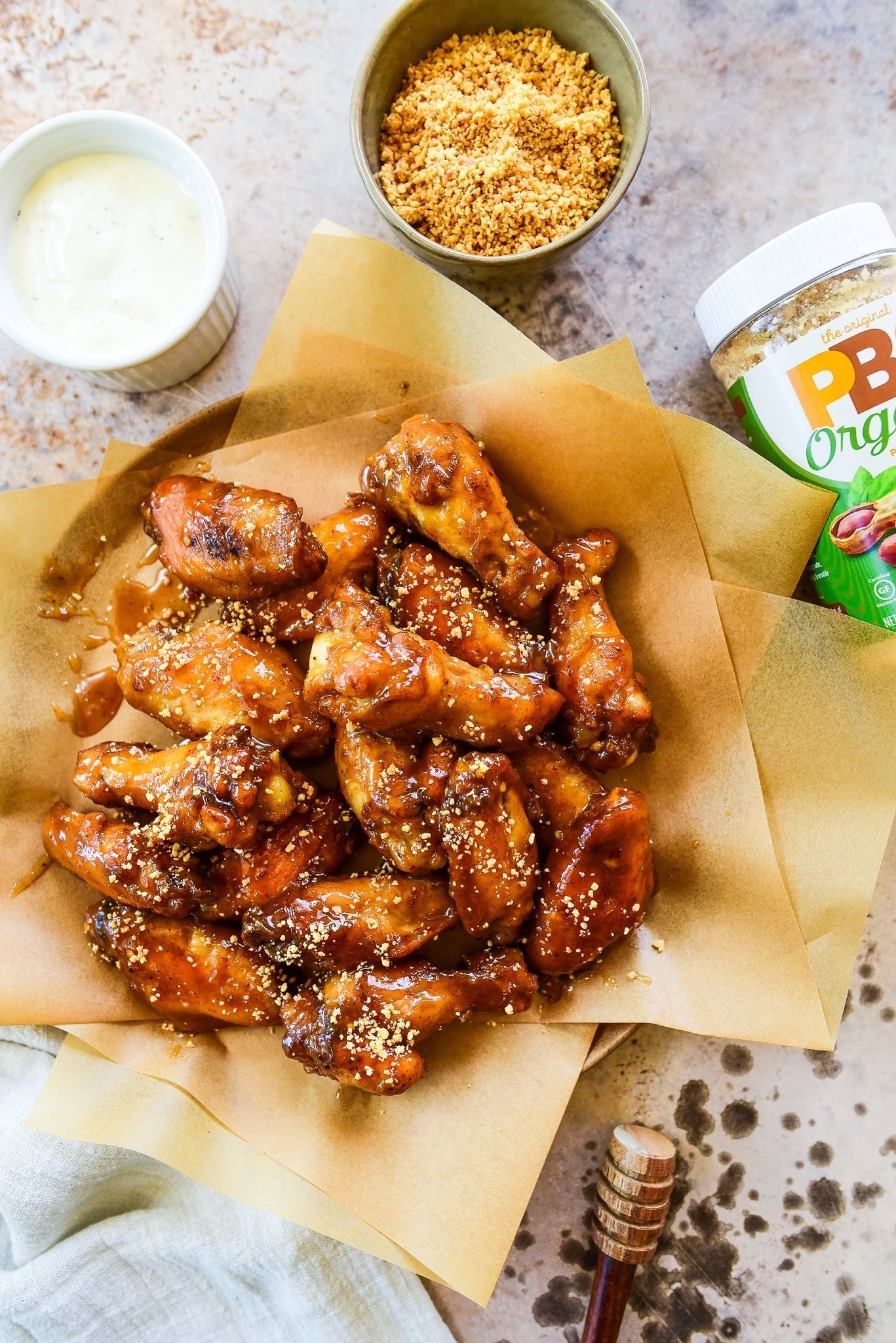 |
Honey Peanut Butter Chicken Wings Crispy wings get their sweet and savory flavor from PB2 Organic, delivering restaurant-quality taste without the excessive sodium found in takeout versions. Perfect for family dinners or weekend gatherings when you want crowd-pleasing flavor everyone can enjoy. |
|
|
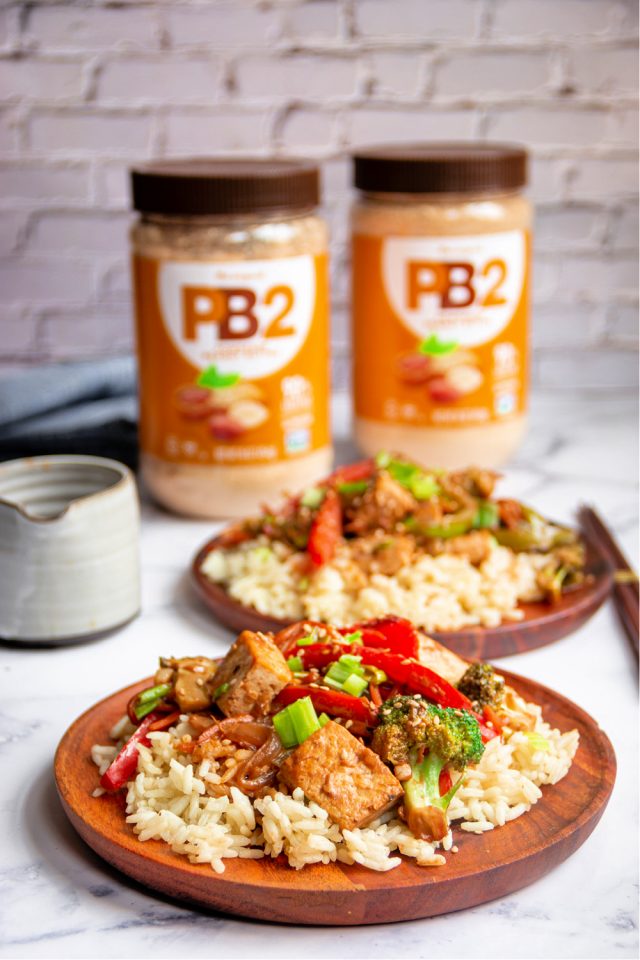
Tofu and Veggie Stir-Fry with Peanut Butter Sauce Unlike store-bought sauces that can pack hundreds of milligrams per serving, homemade peanut sauce made with PB2 Original gives you control over exactly how much sodium goes into this quick, customizable, and loaded with colorful veggies meal! |
|
|
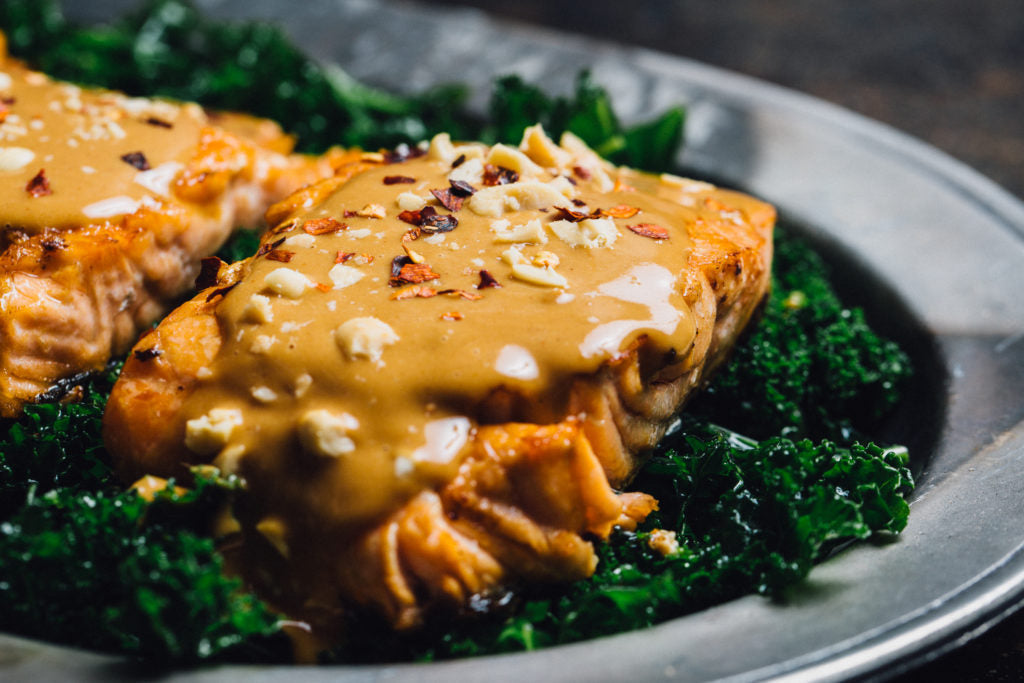
Ready in under 30 minutes, let simple salmon shine by pairing it with a flavorful PB2 Original glaze that impeccably enhances the fish and helps lock in moisture—all without relying on salt. |
|
|
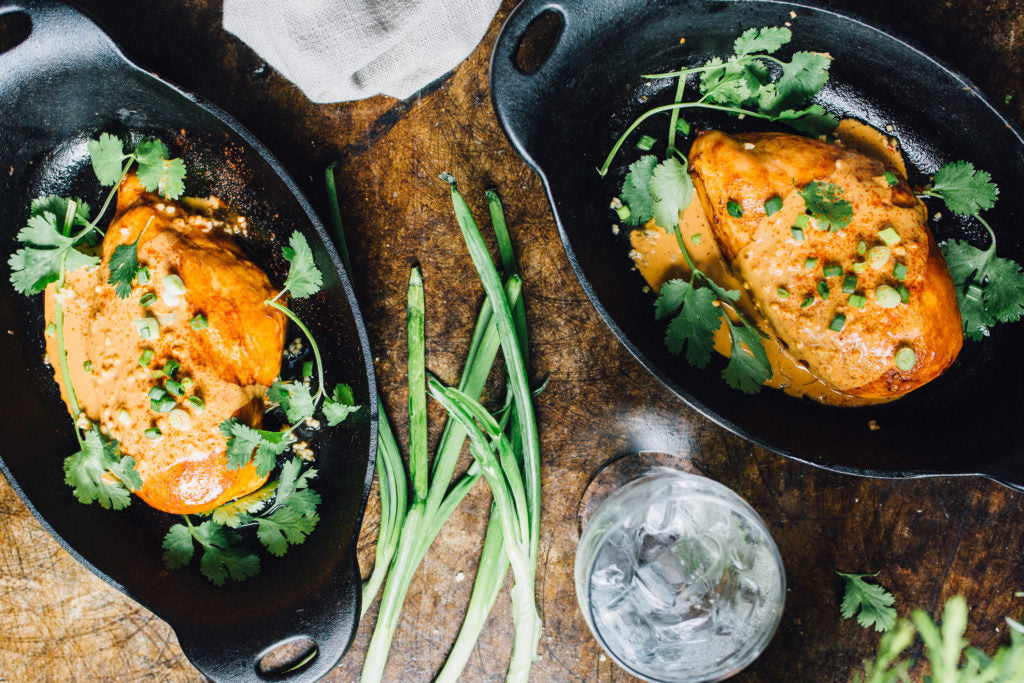
Baked Chicken with Peanut Sauce Oven-baked for hands-off simplicity, this easy meal relies on PB2, making it an ideal option for building beautiful sauces from scratch, where you get to decide every ingredient that is on your plate. |
|
|
Saucy Roasted Chicken Thighs with Honey-Soy Peanut Sauce We’ve said it once, and we’ll keep saying it! Low-sodium cooking doesn't mean sacrificing mouthwatering flavors—as you’ll see in this chicken dish where PB2 Original is combined with low-sodium soy sauce (as Amanda recommends), creating a dish that's big on taste, not sodium. |
|
|
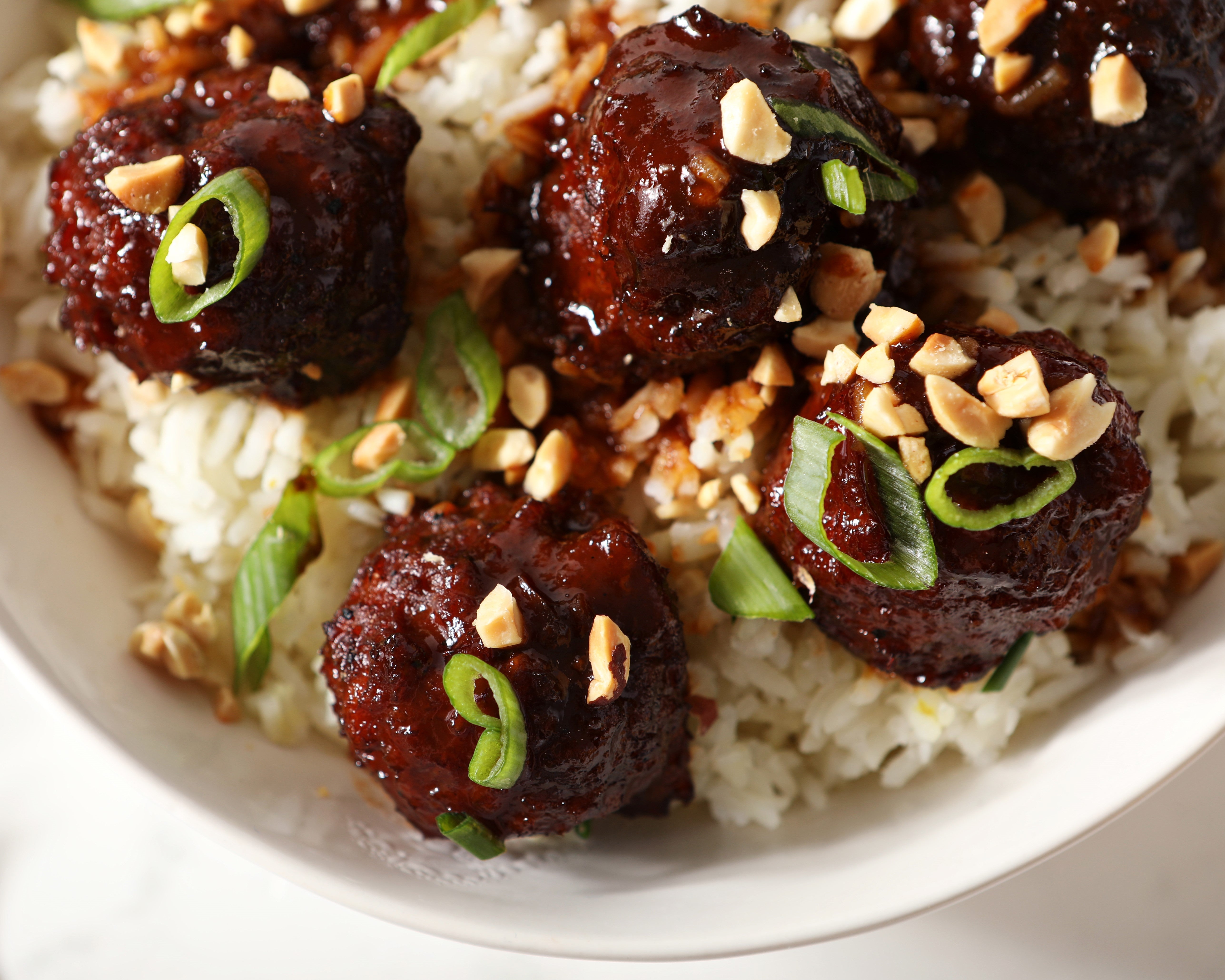
Protein-packed meatballs feature PB2 Original for moisture and flavor, making them a versatile addition to pasta, salads, or grain bowls— but honestly, they are also darn tasty all on their own! |
|
|
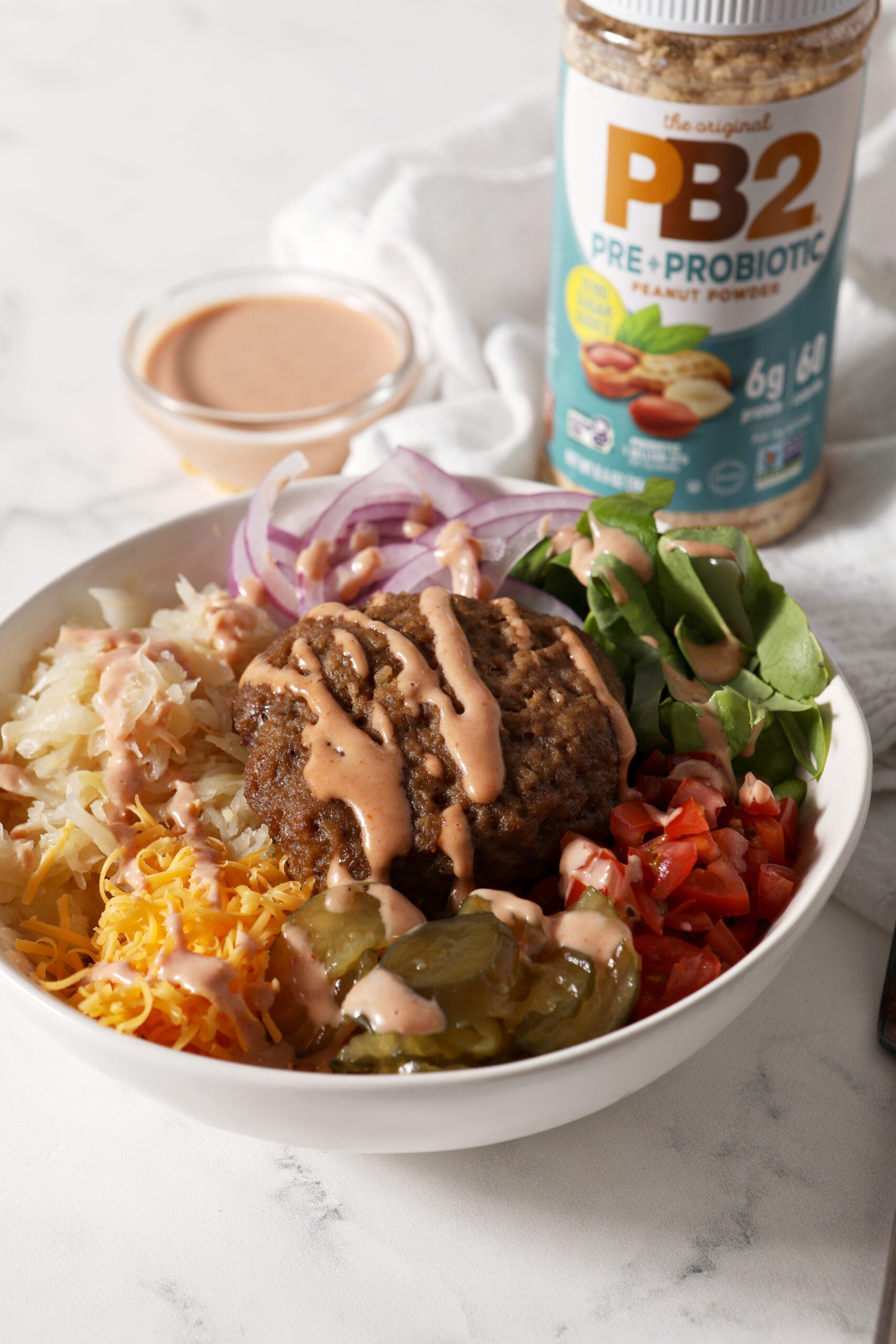
Sauerkraut Turkey Burger Bowls Tangy sauerkraut and a creamy PB2 sauce transform basic turkey burgers into a satisfying bowl meal (no bun required) that's naturally lower in sodium than traditional burger fixings. |
|
|
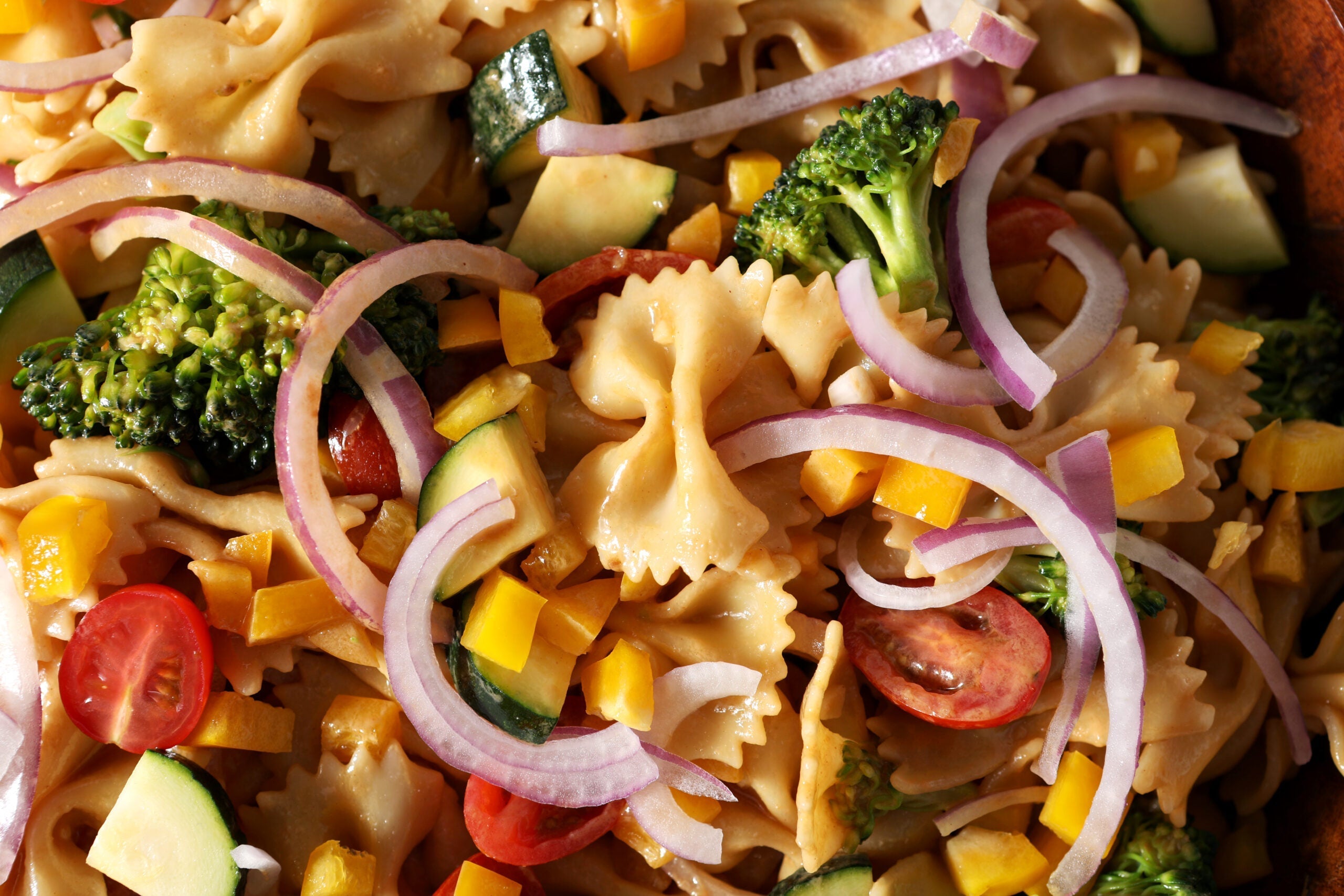
Crunchy Veggie Pasta Salad with Citrusy Peanut Butter Sauce Loaded with fresh vegetables and tossed in bright sauce made with PB2 Pure, this pasta salad is a great prep-ahead option, adding some extra crunch and a citrus zing to your lunch break. |
|
|
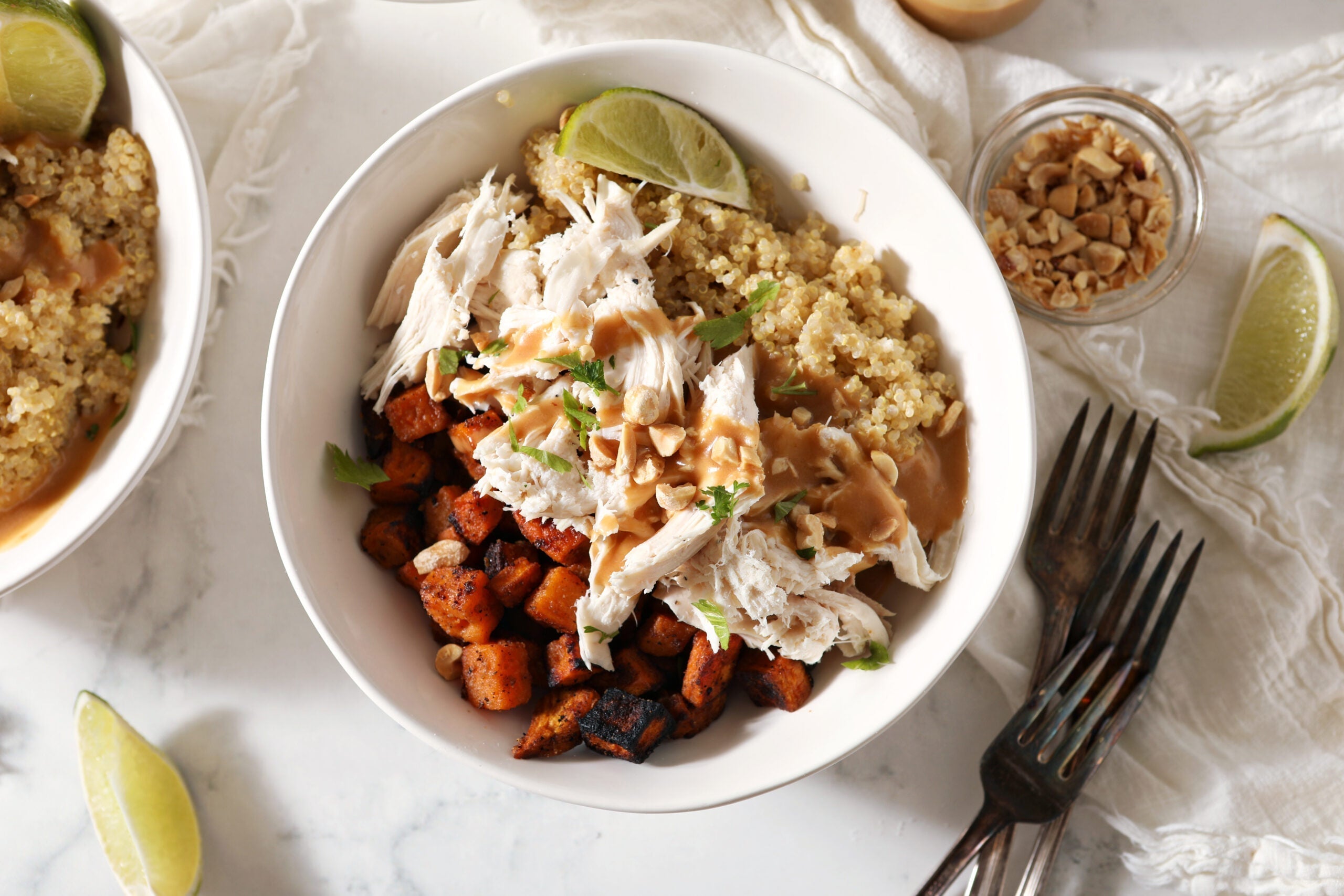
Chicken & Roasted Sweet Potato Protein Bowls with Lime-Peanut Sauce This wholesome bowl features zesty PB2 Pure lime-peanut sauce that adds richness without the sodium hit of store-bought dressings—and did we mention that the recipe is completely customizable?! |
|
|
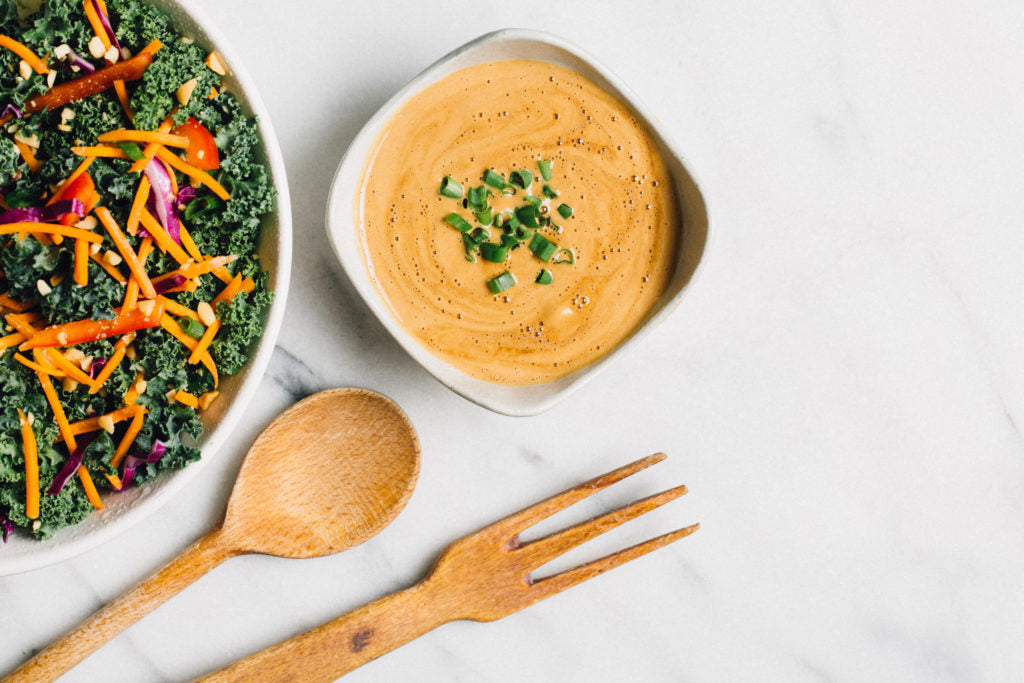
Crunchy Asian Peanut Butter Dressing Amanda specifically recommends this PB2 Original dressing as a low-sodium alternative to bottled versions—combine it with low-sodium soy sauce for an outstanding flavor and texture without the (you guessed it!) extra salt. |
|
|
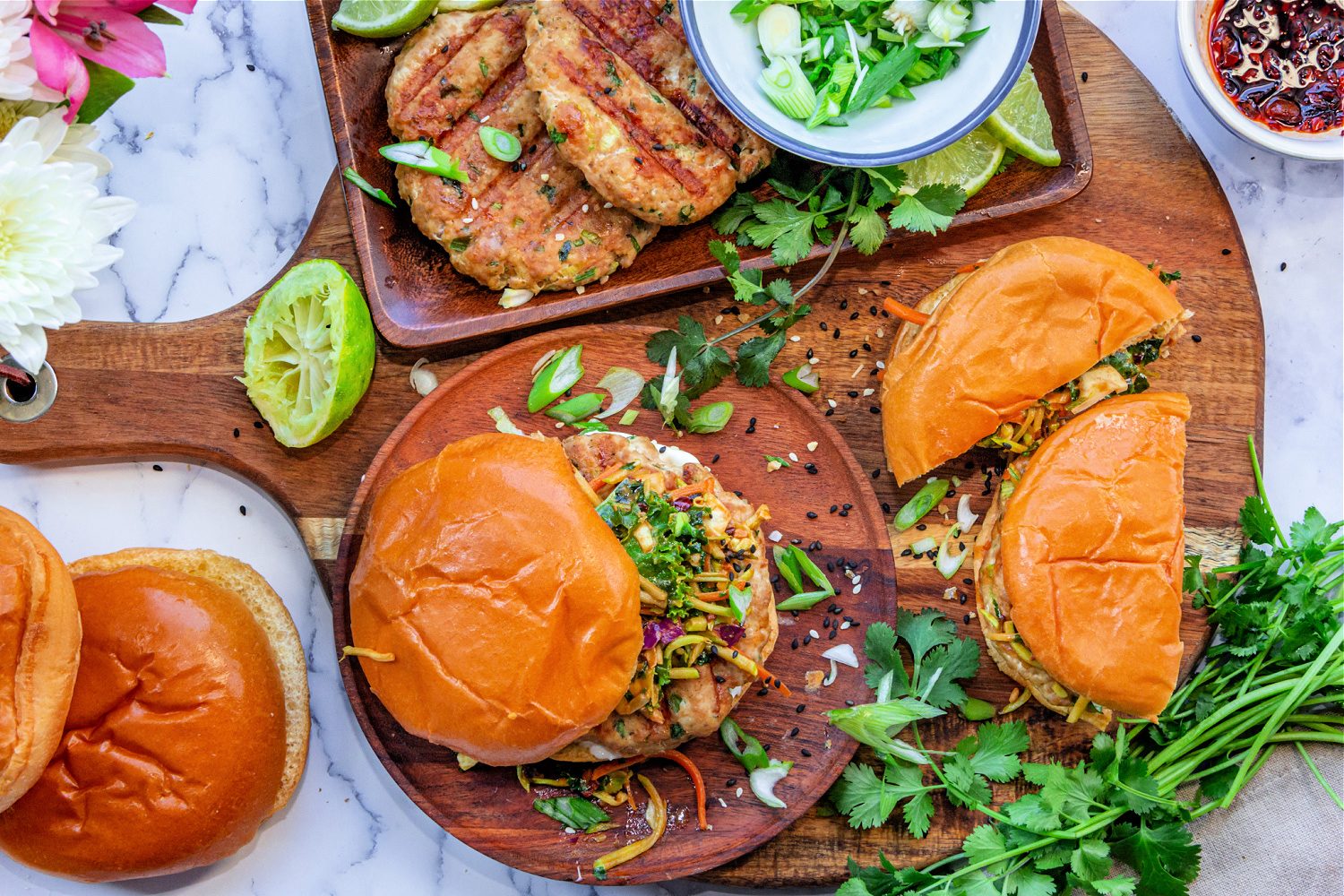
Chicken Burgers with Spicy Peanut Butter Slaw Spicy slaw made with PB2 Crunchy adds a satisfying kick to juicy chicken patties, proving once and for all that reducing sodium doesn't mean settling for bland or boring food! |
|
|
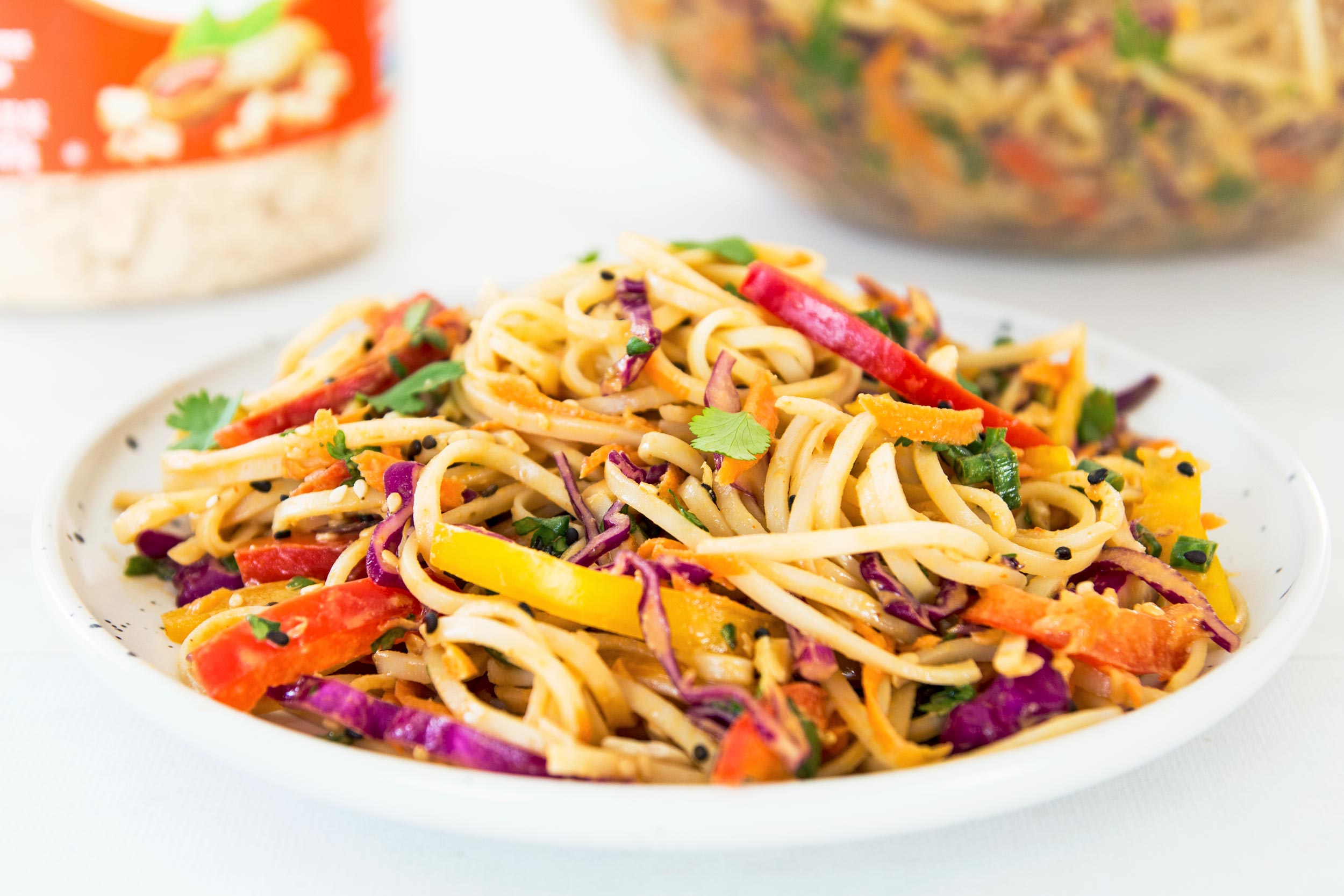
Cold noodle salad might not sound too appetizing, but trust us here. PB2 Crunchy peanut sauce, a bounty of colorful veggies, and the option to add some chicken on top? Now we’re talking! |
|
|
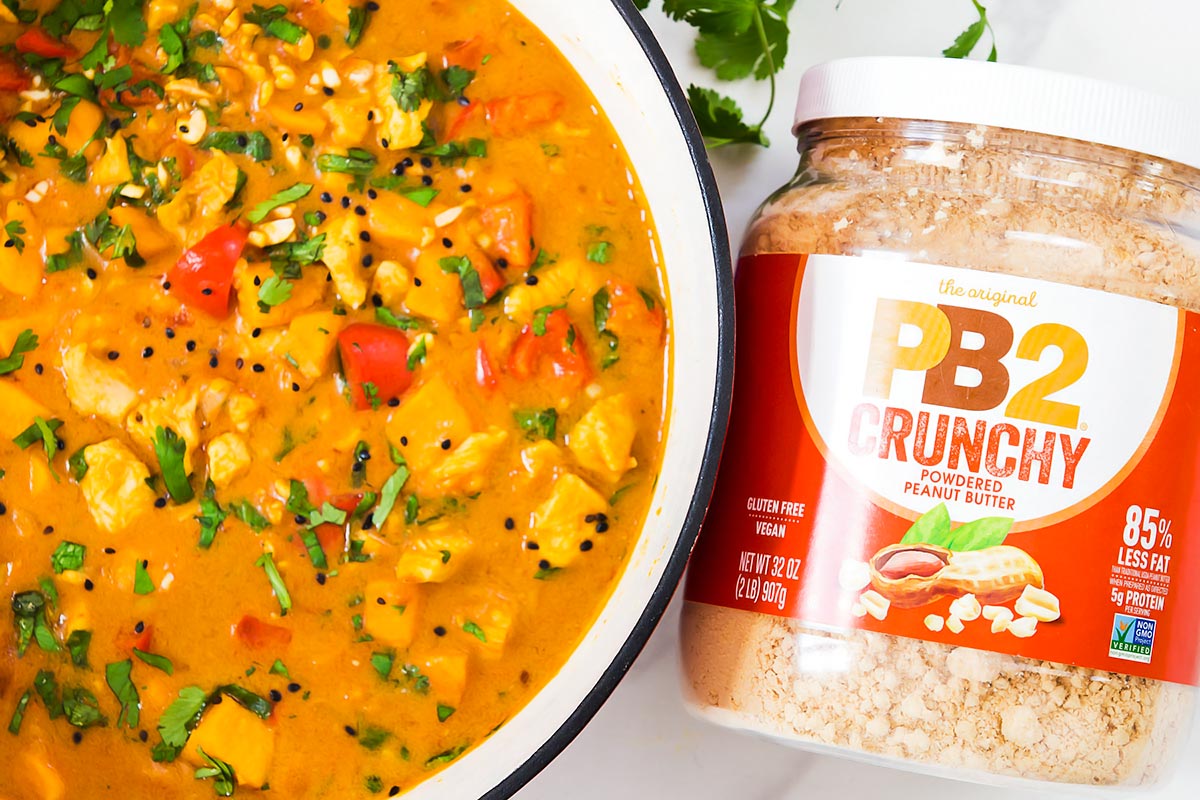
Go global with your cuisine! Warm spices and creamy coconut combine with PB2 Crunchy in a comforting curry that delivers complex takeout-style flavor without the sodium overload of restaurant versions or traditional jarred curry sauces. |